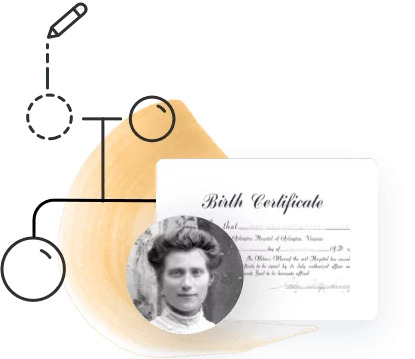
Tracing female ancestors through time presents multiple challenges. Due to name changes and the general focus on men throughout history, they often lack the documentation that gives genealogy researchers everything they need. In some cases, women only show up in relation to their father or husband. Searching through these possibilities requires some in-depth cross-references to ensure accuracy.
That’s absolutely not to say that women haven’t played vital roles in families and communities worldwide. In order to get to the best data, however, you might have to use some unique strategies. You’ll be rewarded with a much fuller picture of your family history.
Key takeaways on tracing female ancestors
- Men were simply documented more than women throughout history.
- Name changes due to marriage make some connections a challenge.
- Family documents and bibles are quality sources of genealogy for women.
Common barriers for women in official records
Your research into female ancestors takes more creativity and patience for a variety of reasons. In many places and at many times in history, women did not rank high enough in society to get recorded in official documents. This varies from place to place and between different data types. These common barriers are something for you to overcome with clever strategies in research. If you can predict these gaps, you’ll know where to look for verification.
- Name changes after marriage: In most places, women took their husband’s name when they got married. This still holds true today. In the past, keeping maiden names or hyphenating them was basically unheard of. Some widows remarried, too, and took a new name later in life.
- Limited property and legal rights: Women were less likely to own property simply because they weren’t legally allowed to. This extends to business ownership, tax records, probate, inheritance documentation, and more. They might show up more when children were involved.
- Lack of work-related documentation: While a man might show up in employment records, guild rolls, business directories, and professional organization lists, women often did not. If your female ancestor did have a job, it was more likely to be domestic or considered of lesser importance.
- Record preservation biases: Men were the heads of households and pillars of the community. If there was ever a question about which records to maintain and secure, the authorities at the time would choose those for men first. This is especially true for legal and political archives.
These challenges can certainly make researching your female ancestors more challenging. However, there are ways to overcome historical biases and get the information you need.
Name variations: researching marriage and family connections
Search under every possible name variation you’ve found for the individual. Women frequently took their husbands’ last names and were even known only by his first name, as in Mrs. John Smith, for important documents after the marriage. Combine these social conventions with possible record reporting inconsistences, and tracking women always becomes more difficult. Search both forward and backward in time to verify connections and changes.
Cross-reference women by multiple family connections
A woman starts life with her maiden name and would usually change to her husband’s name on a marriage certificate. If you have access to that, then you have a clear record of the change. Census listings can also help you identify the switch. When in doubt, look for the relatives listed as witnesses, godparents, and next of kin on official documents. These can include cousins, aunts, and uncles, or even close friends that can give some clues about identity. This can help you know you’re tracking the right person.
Look closer at non-vital records and community context
While male-centric historical records commandeer the legal, political, and employment roles, women were more likely to show up in family records and those kept by churches or community groups. The religion-related documents are quite helpful: baptism records, marriage licenses, and burial registers.
Family documents offer another great source of information when you can find them. These aren’t kept in any official archives, but you may discover some during your research. These include letters, diaries, journals, and especially family bibles. The matriarchs of some families recorded their own genealogical knowledge on the inside covers or other pages. Other options include school transcripts, local newspaper society pages, and even some family business documentation.
In order to track women through history, it takes a bit of creative thought and searching for multiple names over time. The general lack of interest in recording the stories of women throughout the centuries makes it more challenging. However, if you cross-reference other family member names and places, you can unearth highly accurate details to fill in your family tree.
Use MyHeritage’s tools to uncover overlooked records and track female ancestors across name changes.
FAQs about tracing female ancestors
Why is it harder to trace female ancestors than male ones?
Besides name changes over the course of their lifetimes, women weren’t included in many official or business-related processes in the past. There are fewer documents to look at. They tended to own less property, made fewer financial deals, and weren’t recognized for accomplishments as much.
What are the best sources of information about women in your family?
Vital records like birth, marriage, and death certificates always top the list. Focus on church records, family bibles, and personal paperwork like diaries and letters.
How can you cross-reference multiple names for one person?
Marriage and taking a husband’s last name make it challenging enough, but some widows also remarried and changed their names again. Reverting to a maiden name after divorce was a more recent likelihood. Create a timeline of events and note related people such as marriage witnesses and children’s names. If they match, there’s a good chance you’re looking at records for the same person.
Are there women-only databases to use during genealogical research?
While platforms like MyHeritage offer amazing search capabilities, you might want to look at more specific collections. Various national or even state or regional archives may offer collections of women’s letters or diaries throughout history as well as specifics about suffrage movements, specific church events, or other unique interests.